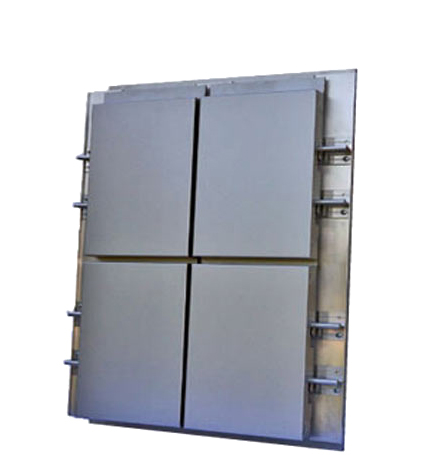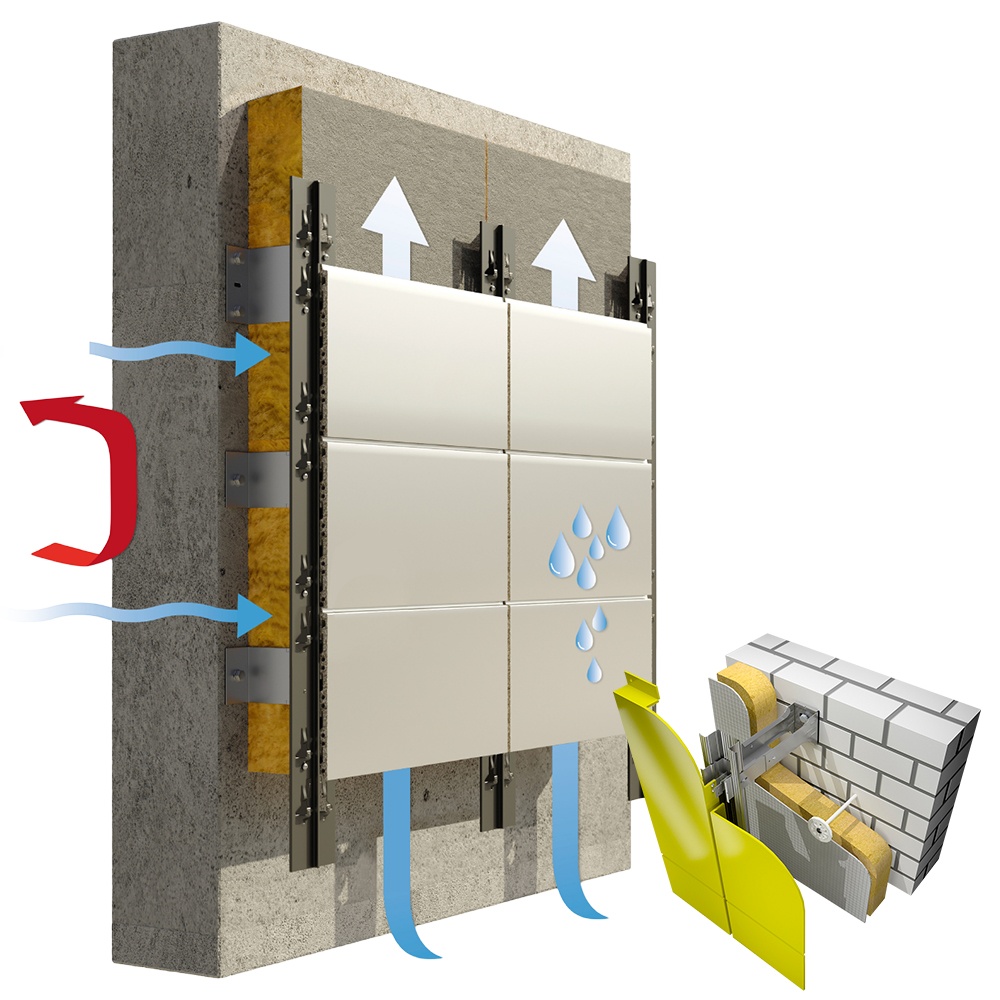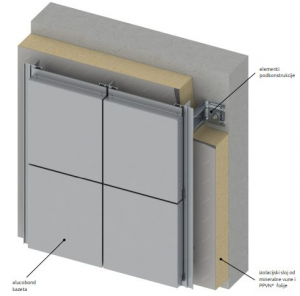


ALUBOND
Alubond (Eng Alucobond) is definitely a material that marked the
architecture from the beginning of this century. The material is
present on many business buildings and industrial Complexes, every
intrusion into the eye and thus became synonymous. With business 2.
milenia. What are the characteristics and why is it so Present, we
will try to explain in this text!
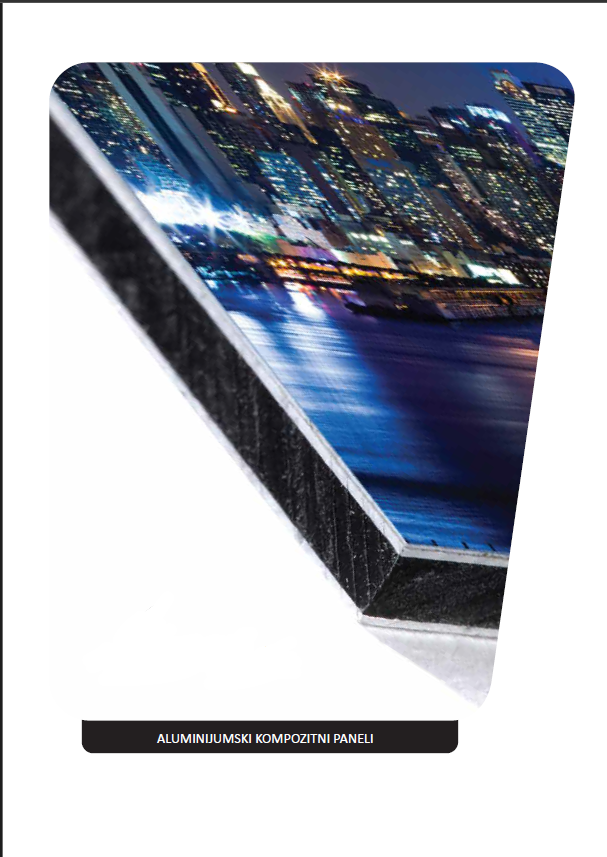
The full name of this material is an aluminum composite panel which
this means that these panels are made of aluminum (double-sided
plates) between which is an insulating charge. Alubond plate is
created by two aluminum sheets thickness (most common) is 0.5mm.
polyester masses, these sheets are connected to 3,4,68mm thick
slabs. Insulating charging is most often made up of polyester core
(PE) which is Integrated on the panel the so-called "sandwich"
process.
Alubond panels can be made in large dimensions and are easy to
install, and the great reason for their popularity lies in the ratio
of prices: alubond is a material that is resistant to atmospheric
influences, and it is characterized by excellent thermal and
fire-resistant properties.
This material is extremely easy to process and can be done by any
bow or shape, is easily bonded and installed, so it is possible to
see columns, casualties and other (seemingly) complicated elements
of building facades that are coated with alubond material.
The most commonly used color of these plates is gray — metallic, is
characteristic of modern facades. However, the final processing of
this material provides us with a really wide range of possibilities:
alubond panels can imitate the appearance of other materials such as
marble or wood. Also, the finish could be plasticized, mutual or
anodized.
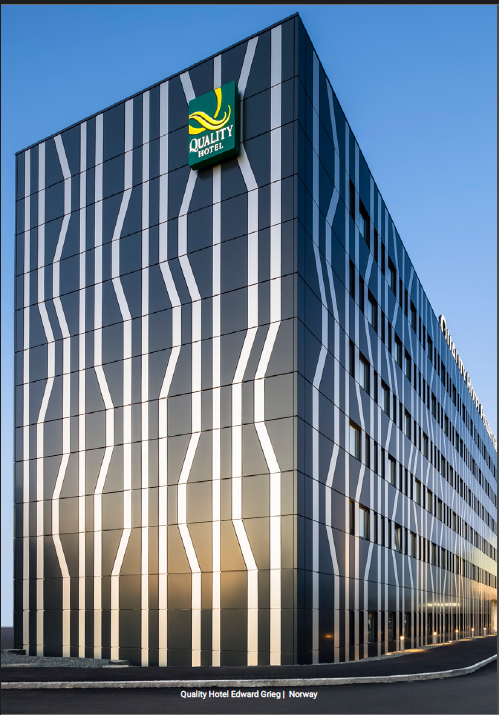
Alubond is a waterproof and impact-resistant material (depending on
the sheet thickness) with excellent vibration-damping properties. It
is also highly resistant to the effects of industrial pollution. As
with other aluminum products, Alubond is completely recyclable.
Sound insulation is one of the most critical features of Alubond.
This material reduces noise levels by a range of 23 to 25 dB. This
performance is another reason why it is widely used for cladding
buildings in urban zones—areas exposed to high concentrations of
traffic and industrial noise.
In addition to the traits mentioned above, this material meets the
fire resistance class B2 according to the DIN 4102 standard. It
features a thermal expansion of 2.7 mm at a temperature difference
of 100°C, and 1.35 mm at a difference of 50°C. These combined
characteristics explain the immense popularity and wide range of
applications for this material.